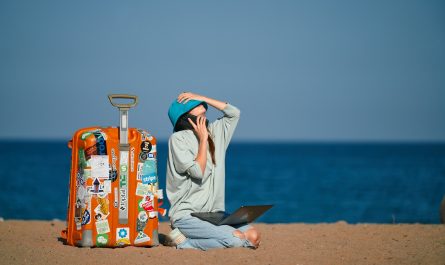
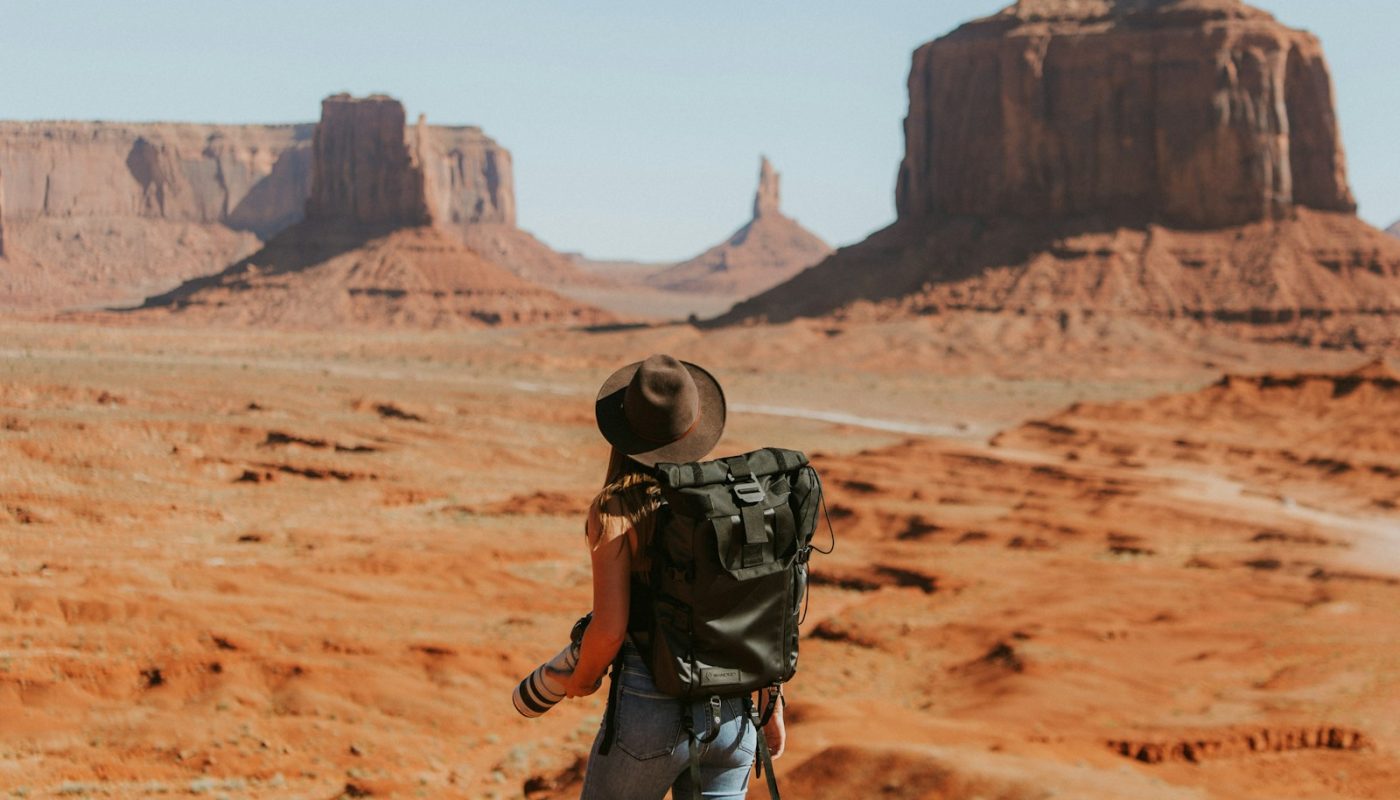
Solo traveling’ has also picked up momentum in the sense that more people are inclined towards gaining independent experiences through self-discovery with the number of solitary tourists growing every year as evident from the statistics shared by the World Tourism Organization. The sense of complete control over one’s decisions while traveling alone is only one of the reasons why solitary traveling is on the rise. At the same time, solo travels demand more responsibility from the individuals involved.
Understanding Solo Travel Reality
The term solo travel shouldn’t be confused with isolation or risk; it’s just traveling the experiences solo. Many solo travelers have even noted how feeling more aware, adept, and confident is possible. It’s frequently observed by travel psychologists that solo travel builds self-reliance and promotes self-growth emotionally. However, being a solo tourism also entails having realistic expectations.
Being lonely, facing certain challenges, or being uncertain are all part of being a solo tourist. There exist common myths about lone travel that encompass solo travels are always unsafe. Travelers traveling solo are always lonely. Only experienced travelers should go solo. In actuality, preparation is far more important than level of experience.
Choosing Safe Destinations as a Solo Traveler
In the case of solo travel safety, the choice of the destination can greatly contribute. Beginners can choose a country where the facilities are favorable and safe. Information provided by the travel advisories of the U.S. Department of State can assist an individual in assessing the risks. Areas famous for tourism facilities also help to enable hassle-free movements.
Clear signs also remove the need to rely on guesswork. Cultural attitudes and safety are closely connected. Observing the traditions is an added bonus in one’s safety and enjoyment in a country.
Planning and Research Before You Go
Strong planning is the basis of success in solo travel. Researching places to live, transport links available to a destination, and social etiquette can go a long way to reduce uncertainty in a travel experience. Websites such as Booking.com and Airbnb enable solo travelers to read feedback from other solo travelers that is safety-oriented. A flexible itinerary is best.
Documents and Logistics
- Copies of passport and visas
- Travel insurance documents
- Emergency contacts
Being in central locations with access to reliable transport is safer. Also, single travelers like their accommodations near public locations. Arranging arrival time at locations with daylight hours can be safer.
Staying Alert Without Fear
Being calm helps a traveler anticipate early rather than late. Smart daily safety practices support confidence rather than anxiety. Effective solo safety habits include sharing location with a trusted contact. Avoiding isolated areas at night and keeping accommodation details private also reduce risk.
Even guidelines for safe travel issued by the Interpol agency suggest respect for the laws of the country and avoidance of confrontations to minimize risks.
Managing Money and Documents Securely
Losing money and identification may turn any problem into an extreme complication for the tour traveler. Financial safety research done by Visa company encourages diversification and secure storage. Individual travelers are advised not to always have all valuables in one place. Cash and credit cards are not kept in the same place in case either gets stolen or gets lost.
Smart Money Handling
Having a combination of payment options can be advantageous. Digital payments can minimize the need to carry large sums of cash. Notifying banks before a visit can also minimize the risk of credit blocks. ATMs located in local secure areas appear safer than local currency exchange counters.
- Carrying digital copies securely
- Use of hotel safe when available
- Passports stowed away
Travellers abroad who have been advised by the Foreign Office to make alternative plans have fewer problems when these are put in place in advance. Feeling safe when seeking aid is also essential.
Using Technology Wisely
Phone use needs to be geared towards safety, not distraction. Using the phone to download maps, storing emergency contact numbers, and sharing one’s location are examples that are beneficial. Power banks should be considered to avoid disconnections through other means as well.
To remain fully informed of the local situation is essential. Good practices include registering with embassy services. Monitoring local news alerts and knowing the telephone numbers for emergency services are important.
Preparations indicated in the Red Cross have been shown to improve the safety of independent traveling.
Building Confidence and Enjoyment While Solo
Confidence is a major contributory factor to determine how much fun is being derived from solo travel itself. Some solo travelers might think of being lonely or in danger most of the time when traveling alone. Travel psychologists from the American Psychological Association acknowledge that solo travelers gain more confidence from being able to overcome new situations in their lives. The experience can be enhanced simply by a change in focus.
It does not imply that solo travel means avoiding other people altogether. There are individuals who would like to have flexible social interaction. Traveling in a group tour or joining local activities and shared accommodations can coexist with solo travel.
Developing a Positive Solo Mindset
Allowing plans to change naturally supports adaptability. Travel writers sponsored by the National Geographic often focus on the importance of a mindset that can make the difference between a stressful or a fulfilling solo journey while traveling alone.
Conclusion
Solo travel is arguably one of the most rewarding ways to explore the whole wide world when done safely and in an aware way. Safe destinations, careful planning, careful money management, and the adoption of work-smarts help people to put fear aside and enjoy each experience. Equally important is the matter of mindset.
One learns more self-confidence through small decisions, flexibility, and self-trust. One does not travel solo because of fear of problems but learns how to deal with them relaxedly and responsibly. With careful planning and the right attitude, not only does solo travel become safe, but also extremely pleasant. One learns more self-confidence with every solitary trip and becomes more connected with the world.