
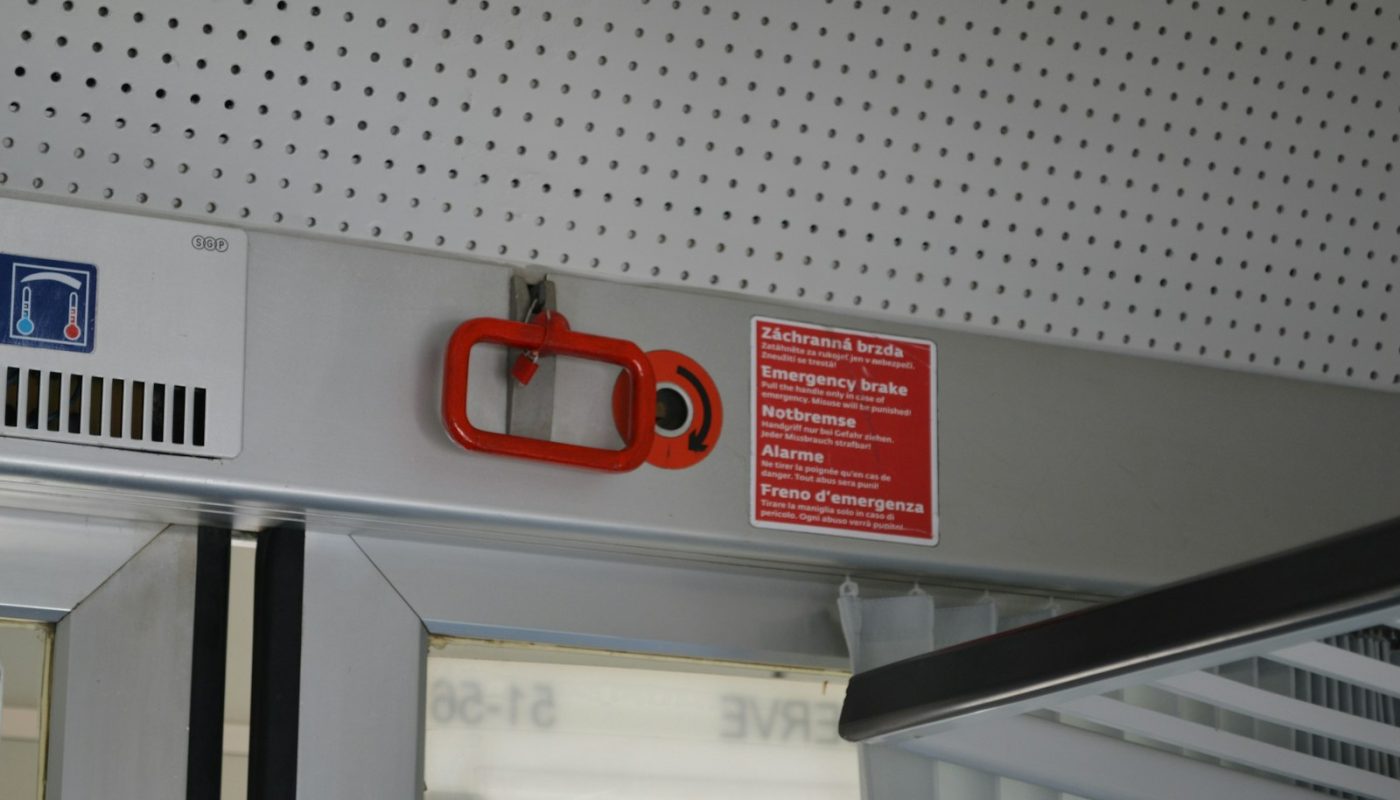
Adequate planning of the journey creates room for disturbance evasion and confident response to situations that may arise unexpectedly. The following current and practical travel safety tips and measures are helpful in every kind of traveler.
Pre-Travel Planning and Risk Reduction
Safety in travel starts much before actual travel occurs. Safety emanates from planning to reduce risks and to enable traveling individuals to handle unexpected occurrences adequately.
As a matter of note in 2026, travel enables access to information on a real-time basis, which must also come under assessment.
Building a Flexible Travel Plan
This flexibility enables safe decision-making in case of any disruptions. Booking refundable flights or having enough time connexion can avoid worries.
A traveller who makes reservations with flexibility can easily cope with any unexpected situations without any anxiety.
Health and Medical Safety While Traveling
Health safety is still an essential priority while traveling.
Digital Safety and Cybersecurity on the Go
Digital safety has coined itself as a whole new category in the world of travel in 2026. Today, people use smartphones for most things, including transactions and booking flights online.
Just as physical assets are secured, personal data should also be secured. Organizations such as Apple and Google still stress the importance of updating gadget security during travel.
Protecting Devices and Data
- Use of passwords and biometric lockouts
- Enable device tracking and remote wipe
- Software updates
Safe Digital Payment Practices
Although contactless payment and digital wallets offer increased convenience, one must be careful. Attention to digital details prevents fraudulent activities when one is away.
The benefits of digital awareness provide smooth travel.
Situational Awareness and Transportation Safety
Being aware or vigilant about one’s surroundings reduces the occurrence of accidents in 2026. Even though airlines and transport organizations are increasingly using technical methods to manage tickets and boarding processes in their planes, there is a need to check routes and timetables.
Organizations such as the International Air Transport Association advocate for a strict application of safety guidelines in air transport in general, though personal awareness of this aspect improves general knowledge in this field.
Using Public and Shared Transport Safely
- Check official taxis and ride-sharing apps
- Avoid crowded or poorly lit transit areas
Risk can also be reduced by taking transport from reliable operators.
Driving and Rental Vehicle Awareness
Familiarize rental vehicles before usage, as well as local road laws. Fatigue and unfamiliar roads can play a part in accidents, organizing better before venturing into the road helps.
Accommodation Safety and Personal Security
Where one stays is an aspect that greatly influences general travel safety. Hotels and short-term rentals differ in their security level despite having similar services such as serviced apartments.
With the help of reviews and electronic verification as of 2026, assess nearly everywhere.
Personal Safety Inside Your Stay
Lock all the windows and doors. One should not reveal information concerning rooms to everybody.
A simple rule helps to preserve privacy and minimize unnecessary risk in the journey.
Financial Safety and Scam Prevention
Financial Safety has emerged as an important topic in the digital age of online transactions and bookings in the context of traveling in 2026.
The scam has become quite sophisticated today. There have been instances of scammers duping tourists through their listings on local tourist websites, sending them QR code verification messages requesting money transfers from tourists’ accounts.
Common Travel Scams to Avoid
- Fake accommodation or tour listings
- Unofficial currency exchange offers
- Phishing emails that resemble airlines and hotel communities
Managing Money Securely Abroad
Use multiple payment methods in case the card does not work. Activate transaction alerts and lock the card to prevent misuse if there is suspicious activity.
Emergency Preparedness and Crisis Management
Climate-related disturbances, medical emergencies, as well as the unexpected outage of transportation means are making travels really challenging. Travelers can react promptly as well as limit their level of stress in the face of unexpected surprises.
Preparation is achieved through knowledge of emergency contact numbers, embassy contacts, as well as health facilities within the region of destination.
Bodies like the Red Cross Society and the World Health Organization have encouraged individuals to familiarize themselves with the region’s risk levels at the earliest.
Preparing for Medical and Natural Emergencies
- Save emergency contacts on devices and papers
- Knowing safe shelter sites ahead of time
Handling Disruptions and Evacuations
Conditions such as flight cancellations, demonstrations, or weather situations require clear judgment to control crises. Keeping oneself updated via official notifications can ensure a sense of safety in unpredictable situations.
Respect, Responsibility, and Cultural Awareness
Utmost concern with safety ensures the responsibility of the individual. At the same time, most concern with interaction with the locals ensures the responsibility of the individual.
Respect of people and society can be emphasized as a security policy in many tourist boards and worldwide organizations; for example, the United Nations World Tourism Organization.