Overcrowding as a Modern Travel Challenge
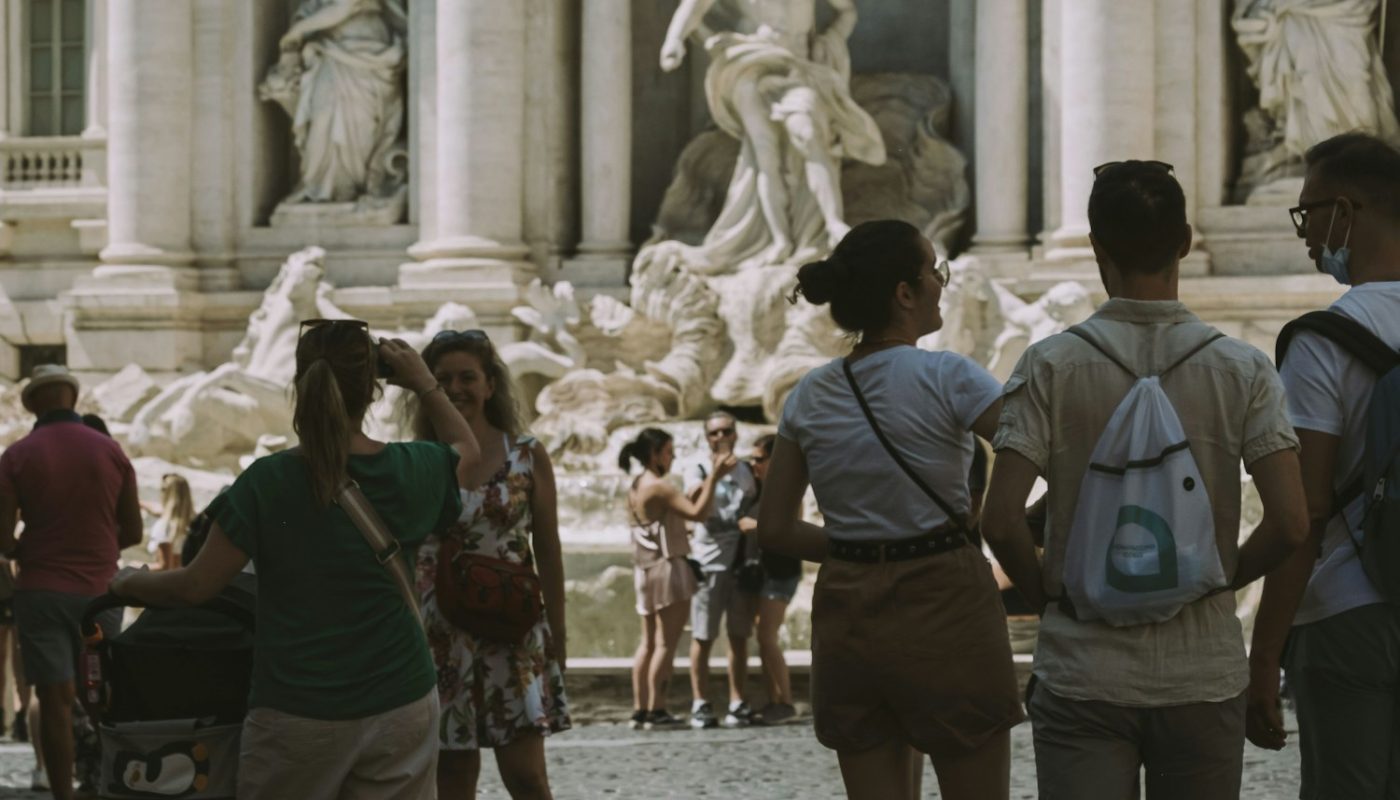
It seems that the numbers of tourists are one of the most frustrating elements in modern travel. Today, many tourist spots are overcrowded nearly every week and every month, making it hard to really explore any attractions, culture, or even simple movement. In the year 2026, overtourism shall not only occur in specific months or in popular places but shall also occur every single day.
Missing the crowds does not mean missing popular destinations either. It is more to do with timing and destinations, understanding the nature and patterns of tourism. Each section of this write-up begins with the season best suited.
Other strategies pertain to the adjustment of day-wise time slots.
Understanding Seasonal Crowd Patterns
There are places that are usually too busy since travelers visit these places at certain months of the year. Flexible work hours in the year 2026 enable people to take vacations through the whole year. For this reason, the high season is too busy.
Travel site Skyscanner‘s research tools clearly demonstrate how popular tourist spots are significantly quieter in the run-up to the main holiday season or just after.
At such times of the year, the doors remain open as they are during the main holiday season itself, although the numbers are significantly fewer. Additionally, the weather is still good.
Understanding Shoulder Season Benefits
One aspect of tourism planning is understanding that each place has its busy times of the year. It is important to consider the local school vacation schedules.
Avoiding these dates allows travelers to visit these places while escaping the crowds.
Choosing Alternative Destinations
Some tourists experience crowds because they choose destinations on the basis of their popularity rather than having an inherent interest.
Smaller destinations typically have shorter queues at attractions, more relaxed dining experiences, and greater interaction with locals.
Avoiding Social Media Travel Traps
Social media focuses its attention on a number of locations frequently. This creates a tendency for a lot of people to gather at those places.
By searching beyond trending places, you can find peaceful places that are just as beautiful, if not more so.
Exploring Popular Places at the Right Time of Day
However, not all avoidance of crowds dictates the need to avoid popular places too. In many instances, the fortunes of the crowd even depend on the time of visit.
Travelers in 2026 follow similar daily patterns of arrival at popular tourist attractions and leave in the late afternoons.
Often, tourism boards or city guides affiliated with organizations such as National Geographic advise that one visit the site either in the early hours of the morning or later in the evening when the crowd is smaller and there is better lighting.
These times also offer more chances to take pictures.
Planning Your Day in Reverse
Visits to major sites should commence as soon as possible to reduce congestion. Less popular activities may fill in the peak hours, keeping the entire day balanced and calm.
Using Local Knowledge Instead of Tourist Itineraries
This is often the case because tourists end up traveling the same itinerary advertised on the Internet. Travelers can read the same recommendations in a guide book or other online publications concerning a number of routes to take and cafes to have a coffee in.
In 2026, avoiding the crowd while traveling requires discovering the real local experience of the city being traveled in.
Local experience can also provide quieter alternatives and better timing.
Local people know where to go to avoid trouble, where to avoid traffic, and where to avoid staged and artificial events.
These communities and websites connected to Airbnb also begin to encourage visitors to venture beyond tourist areas.
Learning From Everyday Local Habits
Looking at day-to-day routines helps observe many small patterns. Watching a grocery store or a park on a park bench can give a sense of when areas are most congested.
Travelers who respect these cycles will avoid the congested travel times.
Staying Outside Tourist Centers
In tourist centers, hotels and places of interest are grouped and transport hubs are located in close proximity, and this leads to crowd pressure everywhere.
It should be appreciated that going slightly out of these hubs changes the travel experience completely.
In 2026, it would be easier than it has ever been due to better transportation facilities.
The cities offered in various platforms, such as Booking.com, show that areas just outside the city centers have much to offer in terms of better and more serene environments at lower prices.
Choosing the Right Neighborhoods
Distance does not matter as connectivity does. Areas with access to metro or buses are still convenient without the crowd.
Short daily commutes may help save valuable time rather than traversing busy central streets.
Transportation Choices and Crowd Avoidance
The options available for human movement significantly affect crowd exposure. In 2026, modifying human movement can help save a lot of time on crowded routes.
Urban travel studies by city planning organizations like the European Commission explain the impact of peak hours on tourists, particularly regarding comfort as well as efficiency.
Traveling Outside Rush Hours
Making a slightly different schedule can facilitate traveling freely without congestion at stations.
Choosing Slower Transport Options
Walking, cycling, or regional trains are used to distribute people over larger zones. This allows people to avoid crowded transport hubs.
Leveraging Technology to Predict Crowd Levels
Technology has emerged as one of the best tools for avoiding tourists’ crowds. By the year 2026, the movement of the crowds can be easily predicted through using real-time data, location-tracking, and historical travel information.
Major navigation aids such as Google Maps have live updates concerning congested locations such as attractions, restaurants, and transport centers.
This enables travelers to immediately respond to changing plans and congested hours.
Planning Ahead With Trend Insights
Previous records indicate past tendencies of the crowd. Such an awareness enables one to structure days that are logical and have no bottlenecks.
Slowing Down Travel to Escape Mass Tourism
Fast-paced traveling can cause crowding because a number of people move at a set pace while traveling.
Conversely, slow traveling helps in the dispersal of experiences in both time and space.
Slow travel movement is encouraged by cultural travel organizations like UNESCO, which advocates for deeper immersion in the visited locations.
Choosing Depth Over Coverage
By visiting a smaller number of places, there is a lesser risk of encountering the main flow of tourism.
Neighborhoods, routines, and culture are experienced without any competition for space.
Conclusion
Getting away from the crowds is not so much a case of luck as a case of making the right choices while traveling.
Traveling without a crowd makes one get closer to the place, experience positive interactions with the natives, and experience a state of relaxation and reduced tensions all through the journey.
Avoiding large numbers of people during the peak season is all about reasserting control over the entire travel situation.