
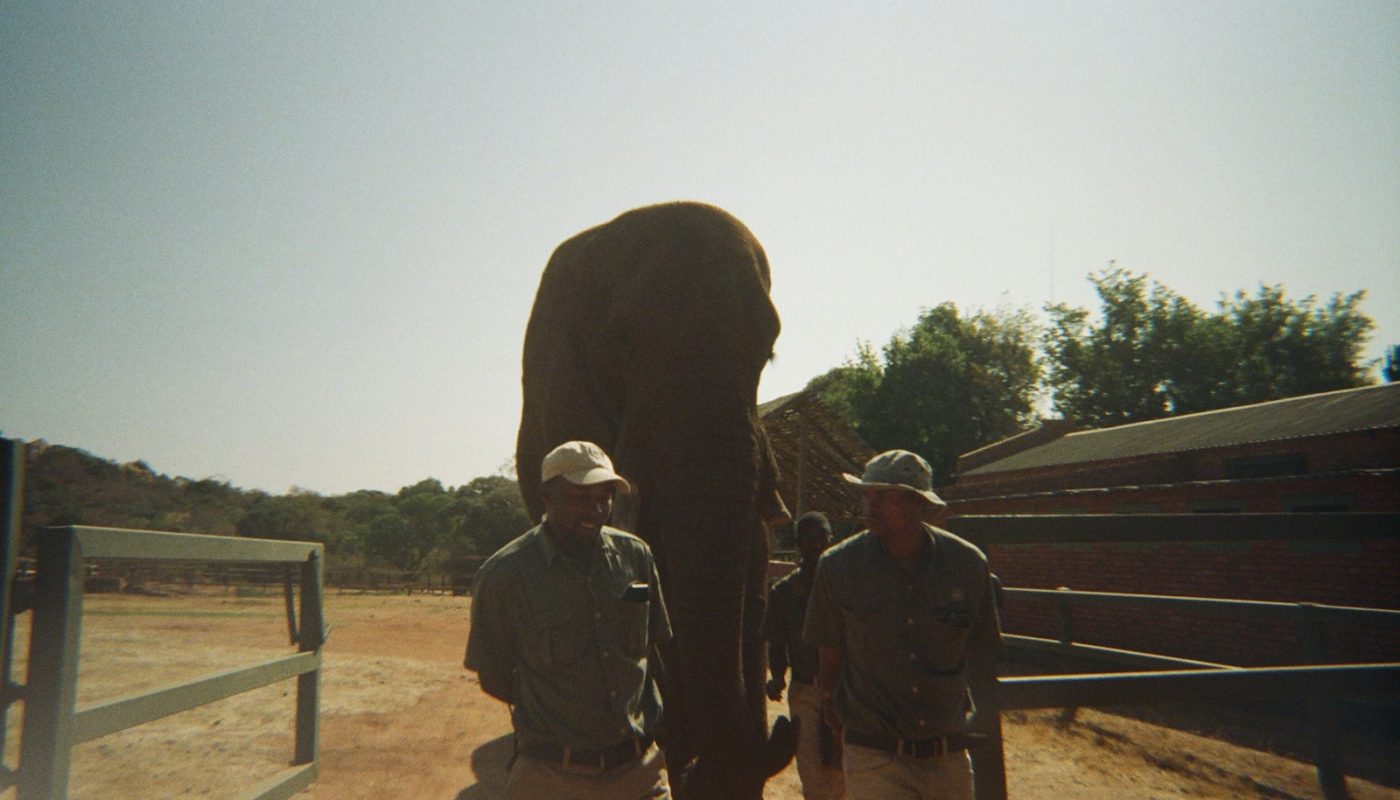
Eco-friendly adventure travel is an activity that focuses on exploring or discovering the natural setting or environment with the aim of minimizing or reducing harm to the ecosystems as well as the community that is found there. Abiding by the natural setting or environment is crucial while exploring or discovering the various geographical environments while trekking or while participating in wildlife tourism.
The environmental degradation resulting from tourism can be quite damaging and is certainly long-lasting. For example, mountains, forests, and beach areas can be quite adversely affected. In order to sustain and maintain travel, environmentally secure travel options need to be followed.
Choosing Destinations and Responsible Planning
Humane nature adventure starts with a wise selection before the journey begins. There are several tourist locations that control the effects of their nature while managing the number of tourists visiting their location or choosing seasonal visits for the same purpose.
Another factor that needs considerable attention is choosing the right ethical tour operators. Ethical tour operators are those that focus on the conservation of the environment, have positive labor ethics, and are involved in the local community.
Such tour operators not only concentrate on the environmental regulations but are ready to support the environmental conservation efforts directly.
How to Identify the Best Travel Operators
Some companies may use the word ‘sustainable’ but do nothing to act on it. The use of vague statements without supporting evidence may represent greenwashing.
Responsible travel requires that the traveler researches to see if the tour operator is certified, as well as reading reviews and choosing operators with long-term commitments.
Low Impact Transportation for Adventure Travel
Transportation is a major source of emissions while in travel, therefore one of the major areas where eco-friendly adventure travel starts with is transportation, despite the fact that some areas are remote, therefore, may require one to fly.
Less carbon is generally emitted during direct flights as opposed to those involving several changes.
- Selecting shared shuttles instead of private vehicles
- Within destinations, walking and/or cycling
Carbon Awareness and Offsetting
Some tourists even compensate for the emissions during their trip through various verified programs. Though the idea of carbon credits as an alternative to carbon reduction may not be perfect, it provides support for renewable fuels and the transition.
Certifications from organizations such as the Green Key help to identify properties that are environmentally sustainable.
Staying Locally and Longer
Locally owned guesthouses or eco-lodges keep the money in the local community. Long stays reduce the turnover on the natural resources.
Slow, intentional decision-making regarding accommodations can support environmentalism and cultural cross-talk.
Waste and Plastic Reduction Methods of Traveling
Waste management appears to be one of the most evident challenges facing adventurers in their travel endeavors, particularly in rough terrain where such facilities may be limited.
Bottles, food materials, as well as other items that may be discarded often end up littering the environment. The responsible traveler will always have planned to limit his/her discardables and carryables.
Waste reduction also starts even before departure. Reconsidering alternatives for single-use materials and checking for non-essential packaged materials helps to reduce waste generation during the trip.
In fact, when traveling to areas where development is low, everything brought in is to also be brought out to avoid harming the host communities.
Best Ways to Cut down On Wastes
Reusable products help to greatly reduce the use of disposable products. The water purification systems available remove the need for packaged water bottles, and containers for refilling are available to help cut down daily use of plastic products.
- Carrying Reusable Bottles & Food Container
- Usage of hard toiletries rather than fluid plastics
When trash is stored, the risk of encounters with wildlife is reduced.
Wildlife Protection and Ethical Interaction
Maintaining a safe distance and avoiding interactions is a must in this area of tourism. Feeding nature’s creatures or physically getting close to them can lead to dependency on humans and can cause aggressive tendencies in these creatures in return.
If the rules of the parks and the instructions of the guide are followed, the animals as well as the tourists would be saved from further harm.
Supporting Local Communities Responsibly
Eco-friendly adventure traveling also involves the local people and their communities. This can be done in an eco-friendly manner by properly utilizing the local tourist industry in an ethical sense so that it benefits the local economy properly.
Keeping our dollars local will help to support our local economy.
Sustainable Gear and Packing Practices
Poor-quality equipment not only deteriorates easily and contaminates the environment in remote wilderness where waste disposal is not feasible, but good equipment will be consistent in performance over time and minimize the need for frequent replacements.
The other aspect of the green approach to packing is to pack only the necessary gear. Overpacking contributes to increased transportation emissions as well as disposable consumption during the trip.
By choosing products with more than one use, the need for different products overall can be lowered.
Packing With Longevity and Repair in Mind
Repair kits, containers, and systems allow gear to last longer during a journey. Repairing gear, especially, keeps such items from becoming waste in the middle of a journey.
Maintenance planning rather than replacement enables self-sustaining travel as it also has minimal impact on the environment.
Long-Term Impact Of Responsible Adventure Travel
Responsible adventurism: Effective adventure travel has positive impacts that transcend one adventure experience.
When one chooses an environmentally responsible adventure travel experience, they contribute to the maintenance and conservation of nature and environment and, indeed, local economies.
Individual travel choices contribute to the overall swing in the growth of adventure tourism.
Conservation-oriented tourism can also serve to fund management of areas under protection in this case.
Conclusion
Travel that is eco-friendly is developed on the ideas of knowledge, accountability, and respect towards the setting, as well as the people.
Every single attempt counts to preserve the destination of eco-friendly adventure travel.
By choosing good, sustainable gear, reducing our impact, and traveling in a way that has a greater impact, adventures ensure a healthy, beautiful, accessible remote environment, turning travel into a virtuous cycle that benefits everyone – traveler, place, and planet!