
Understanding Global Adventure Seasons and Weather Patterns
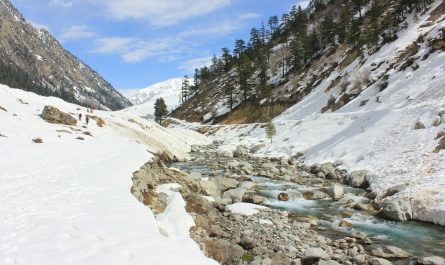
Adventure travel seems to be controlled by global weather patterns, as seasons dictate the safety, water conditions, and accessibility of a trail. Failure to account for differences in seasons in planning an adventure could turn a good plan into a bad one. Travel planners and climatologists often stress the need to have regional weather awareness. During cold seasons, snow and icy weather conditions will occur, and these conditions will affect sports activity and access to some areas.
Why Local Climate Knowledge Matters
Recognizing seasonal changes enables a traveler to choose the appropriate activity during the appropriate season. This level of preparation ensures safety as well as an improved level of adventure. Awareness reduces unexpected risks and improves overall enjoyment.
Best Months for Mountain and Trekking Adventure
Mountain and trekking adventures are highly dependent on seasonal stability. Snow melts, available daylight, and temperature define a season to a great extent in mountain and trekking adventures. The wrong season results in closed paths and hazardous situations. Organizations such as the International Mountaineering and Climbing Federation advise trekkers to plan treks after the winter season and before the monsoon season.
Sky conditions are clearer during these times. In South America, trekkers peak during the dry months of winter. In Patagonia and the Andes, it is safest when winds and snowfall are low.
Avoiding High-Risk Mountain Periods
Slippery trails can occur in the monsoon seasons. In the winter season, risks can be in the form of icy surfaces, snowstorms, and extreme cold temperatures. Timely timing reduces emergency situations. It also enhances physical performance as well as enjoyment.
Ideal Seasons for Water-Based and Marine Adventures
Timing water-based adventures accurately must consider changing water conditions in oceans or rivers, such as currents, clarity, and temperature. These conditions change substantially from one season to another. Marine bodies such as the National Oceanic and Atmospheric Administration track patterns in the sea. Such patterns help tourists avoid storms while on the water.
Best Time for Ocean Adventures
Whale watching and encounters with sea creatures follow seasonal migratory patterns. The time determines what travelers will see. Choosing the right season maximizes visibility and safety.
River and Freshwater Adventure Timing
River levels rise during rainy seasons, increasing rafting intensity. Rafting for beginners is safer during stable flow periods. Choosing the appropriate month guarantees enthusiasm without unnecessary danger. Timing maintains fun and ease of involvement.
When to Plan Desert and Extreme Climate Expeditions
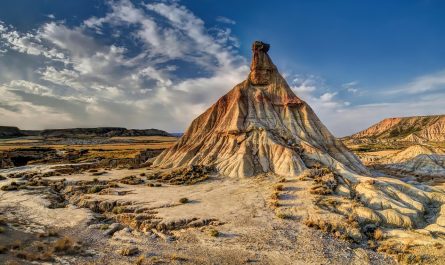
For adventure journeys in deserts and extreme climates, the right time must be observed. Climatic changes involving heat, snow, and winds impact the ability of an adventure team. Authorities and organizers often suggest shoulder seasons as the best period to take a desert trip. Temperature moderation is vital for safety, as highlighted by organizations like the United Nations Environment Programme.
Best Seasons for Desert Adventures
Most professional operators limit activities during peak heat months. Shoulder seasons balance comfort and safety. Planning around these periods improves endurance and enjoyment.
Best Time for Wildlife and Safari Adventures
The experience of a wildlife adventure depends on seasonal wildlife movement. Rainfall, plant growth, and migration affect viewing opportunities. Planners working with organizations like the African Wildlife Foundation highlight the effectiveness of dry-season travel. Wildlife is easier to spot due to limited water sources.
Understanding Animal Migration Cycles
Many species have defined migration patterns according to seasons. Visiting during migration periods maximizes encounters. Dry seasons bring animals together near water sources. This improves observation conditions.
Safety Benefits of Seasonal Wildlife Planning
Clear visibility minimizes surprise confrontations. Guides can forecast animal reactions more accurately. Dry conditions also reduce vehicle-related risks due to better road conditions.
Seasonal Safety, Crowds, and Cost Considerations
Adventure timing affects more than weather. Crowd levels, costs, and emergency services vary by season. Data from the World Tourism Organization shows that ideal seasons balance affordability and safety. Travelers benefit from moderate crowds and reliable infrastructure.
How Crowds Affect Adventure Safety
Crowded hiking routes increase accident hazards. Emergency response may be delayed during peak seasons. Guides can provide better attention during less crowded periods. Extreme off-season travel also increases danger.
Determining the Right Season Based on Experience Level
Experience level is an important factor in selecting the best season for adventure travel. Beginners are best served during predictable and stable weather conditions. Adventure companies affiliated with the Adventure Travel Trade Association define difficulty levels by season. This guidance helps travelers choose safely.
Best Time to Go for a Beginner Adventurer
Beginners should travel during peak safety seasons. Calm conditions reduce stress and encourage learning. This builds confidence for future adventures.
Seasonal Options for Experienced Travelers
Seasoned adventurers may prefer shoulder seasons with fewer crowds. These periods offer more challenges. Preparation, physical condition, and risk assessment are critical.
Conclusion
The best time of the year to enjoy adventure travel depends on more than convenience. Weather conditions, landscape stability, wildlife behavior, and experience level shape safety and enjoyment. Climate change has made careful seasonal planning more important than ever. Flexible and informed planning enables safer and more rewarding adventure experiences.