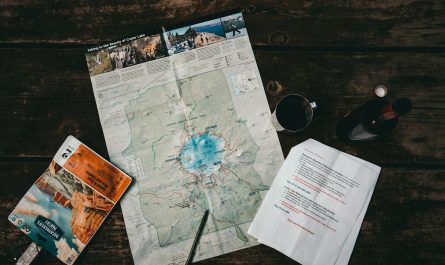

The thrill for planning a trip, however, turns into a stressful situation before beginning the actual travel. This is because, in an era where internet information is abundant, social media is omnipresent, and traveling is costing a pretty penny, planning a travel itinerary is no longer a creative task, but a stressful situation. In fact, according to recent travel industry intelligence released by Booking.com, travelers are looking to simpler, well-structured travel plans to take the stress out of traveling.
A Study of the Origin of Travel Planning Stress
Travel-related stress might first manifest due to a variety of information overload. Travelers might switch back and forth between blogs, videos, as well as product or location reviews, as they attempt to plan the perfect trip. Far from gaining information, they find themselves more confused.
Yet another major cause of burnout among travelers is the presence of unreal expectations. Social media platforms rarely share the experiences of traveling during crowded periods or when one needs to rest. Therefore, the result is the development of overly packed itineraries where one is under the constant obligation to keep moving.
A stress-free approach emphasizes the idea that the journey should be free-flow rather than free-perfect. This perspective allows room for rest, spontaneity, and enjoyment. It shifts focus away from rigid execution and toward meaningful experience.
Defining Your Travel Goals Before Travel Planning
Relaxation, discovery, cultural experiences, food, or adventure each have their own traveling approaches in terms of time required. Being clear about the primary objective helps shape realistic expectations. It also prevents unnecessary additions that increase fatigue.
Travel experts who counsel various organizations, including Airbnb, for example, have repeatedly pointed out that “goal-based trip planning helps to mitigate regret and boost satisfaction. In fact, decision-making with priorities in place greatly helps in saving time.”
Matching Itinerary With Travel Style
Different groups of travelers have varying levels of energy. Accommodating varying energy levels prevents fatigue. A realistic pace makes it an enjoyable game.
Setting Practical Limits Early
Setting a budget, travel duration, and levels of energy can alleviate potential stress in the future. This will avoid the situation of making last-minute changes. Boundaries provide structure without pressure.
Research Smart, Not Excessively
Research matters too: the key is not to find the information in great volume, but to find the best source to depend on. There is Google Maps and Tripadvisor to find information related to the location, time, etc. Smart research now, however, also means realizing you cannot see everything on the trip.
Look for consensus across multiple sources. Skip extreme views lacking context. Local information seems to give a more reasonable understanding than information that goes viral online.
Avoiding Research Burnout
Establish time limits for planning sessions. It’s also helpful to stop researching once major decisions have been made. Trust your choices and move forward to a stress-free continuation of your plans.
Create a Flexible Daily Structure
A stress-free travel plan is a blend of structure and free space. It is important to plan just a couple of major activities according to the day, rather than planning each hour of your vacation. Experts suggest that the best approach is to plan zones instead of moving from place to place in a day.
Time buffers are critical in this plan, especially considering that many places may have transport hitches, queues, as well as changes in weather, which are inevitable, even in a meticulously arranged schedule. Relaxing the plan therefore keeps one in charge as one has fun, as opposed to having a tight plan where one will be worried about the use of each given minute.
Energy-Based Daily Planning
- Place high-energy morning activities with the highest priority.
- Try not to cluster high-effort activities together.
- Afternoons are preferred for slower activities such as cafes or shopping to ensure proper maintenance of energy levels.
This option can be particularly useful in adjusting the itinerary according to the mood of the tourists or even the advice from the location. It saves one from mental fatigue.
Use Digital Tools to Simplify Planning
Nowadays, travel tools help reduce planning stress when used effectively. This is enabled by digital platforms that provide convenience when organizing all an individual’s scheduled activities. Google and Expedia are some of the top companies that offer tour planning tools.
Useful Digital Tools
- Navigation apps with offline maps
- Booking Applications for Flights and Hotel Accommodations
- Note apps for confirmations and plans
- Calendar tools for daily schedules
These tools assist in centralizing the information. Downloading data in advance may help prevent connection problems. While the technology can aid a decision, it shouldn’t interfere with a personal experience.
Budgeting Without Anxiety
Uncertainty related to budget planning tops the list when considering travel-related stressors. A proper budget plan helps travelers become rational decision-makers, both before leaving as well as during a trip. Rather than monitoring expenditures during a trip, travelers should pay attention to a budgetary bracket calculated as a function of destination cost.
Professional planners like financial advisors, as well as travel websites like the one from Wise, stress the need to divide necessary expenses from flexible expenses. Additionally, currency exchange charges should be kept in mind. Planning all of these aspects in due course of time will secure your budget.
Preparing for Unexpected Changes
Changes that are unexpected are a reality of every trip, though well the itinerary has been planned. For instance, flight delays occur in the course of the journey. Changes in weather can add up to a trip that was initially well planned.
A stress-free itinerary changes its attitudes from accepting the changes rather than the controls they apply in the course of the journey. Preparation involves creating alternatives in a travel itinerary. Preparation has been cited by travel advisors working on behalf of organizations such as Allianz Travel as a major means of reducing travel-related stress.
Creating Backup Plans That Actually Help
Backup plans need to be uncomplicated and practicable. Cafes, parks, or museums are better alternatives compared to complicated destinations. Having a single or double choice available each day provides a level of organization without the threat.
The Role of Insurance and Documentation
It also grants one peace of mind when dealing with cancellations and medical emergencies. Proper documentation ensures smoother handling of unexpected situations.
Final Review Before You Go
A final review of the itinerary completes the process to transform preparation into confidence. It makes sure all elements are realistic and in place. A common mistake for travelers to overlook this stage leads to unnecessary stress at the time of traveling.
For an itinerary, it has been suggested by seasoned travelers to peruse this a day or two before the trip itself. This approach prevents haste, as tools like TripIt enable the consolidation of confirmations in one location.
Conclusion
Now, the key to planning the ideal travel plan without any process strain does not lie in the concept of ‘perfection’ but ‘balance,’ ‘clearness,’ and ‘flexibility.’ Indeed, “objectives defined, research done well, pacing, anticipation of the unpredictable—such are the tools that make travel planning a help rather than a hindrance.” Stress-free trip planning enables a individual to redirect their attention and energies from scheduling processes to enjoyable periods.